
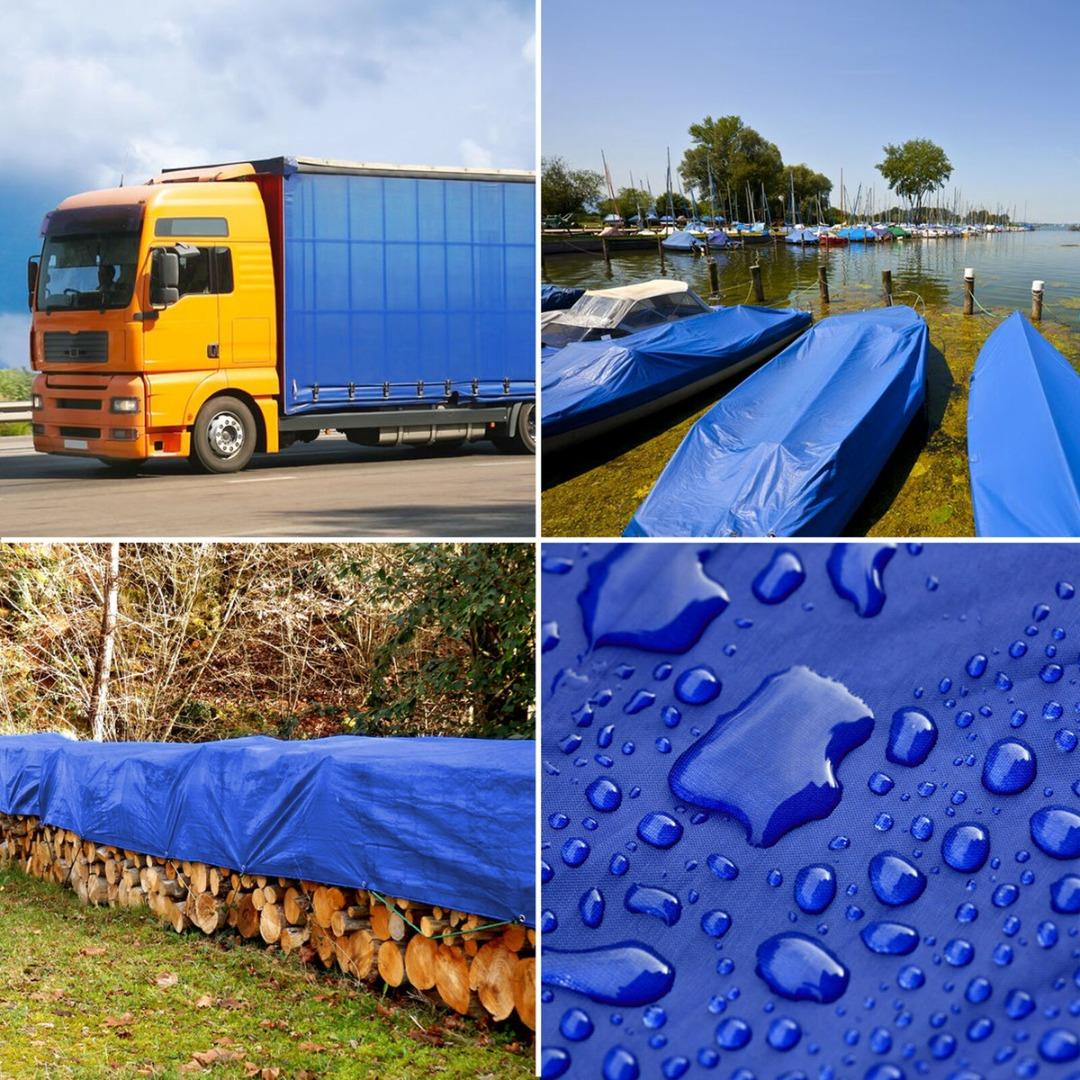
The United Arab Emirates is renowned for its sunny climate, but property owners know that the weather is not always predictable. Seasonal monsoon rains, powerful dust storms, sudden winds, and occasional heavy downpours can cause significant damage to residential, commercial, and industrial properties. Whether you own a villa, warehouse, construction site, retail outlet, or agricultural facility, taking preventive measures before adverse weather arrives is essential.
One of the most effective and affordable ways to protect your property is by using high-quality tarpaulins. Durable tarpaulin sheets provide an extra layer of defence against rainwater, airborne dust, UV rays, and strong winds. However, simply purchasing a tarp is not enough. Proper selection, installation, and maintenance are equally important for ensuring maximum protection.
This comprehensive tarpaulin checklist will help UAE property owners prepare for monsoon rains and dust storms while safeguarding valuable assets, equipment, and structures.
Why Weather Preparation Matters in the UAE
Although the UAE experiences a predominantly dry climate, seasonal weather changes can be surprisingly intense. Heavy rainfall often leads to water accumulation, roof leaks, flooding, and structural damage. At the same time, dust storms reduce visibility, clog machinery, damage outdoor equipment, and leave thick layers of sand inside buildings.
Poor weather preparation may result in:
- Water damage to roofs and walls
- Damaged construction materials
- Rust and corrosion of machinery
- Dust contamination in warehouses
- Damage to outdoor furniture
- Increased maintenance costs
- Delays in construction projects
- Safety hazards for workers
Investing in quality tarpaulin sheets before the weather changes can significantly reduce repair costs and minimise downtime.
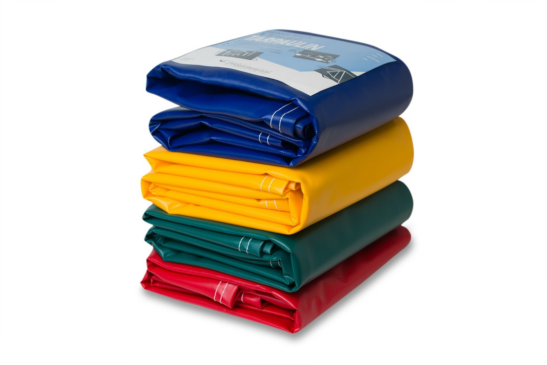
1. Choose the Right Tarpaulin Material
Not every tarpaulin is suitable for the harsh UAE climate. Selecting the appropriate material is the first step in effective weather protection.
PVC Tarpaulin
PVC tarpaulins are among the most durable options available. They offer:
- Complete waterproof protection
- High tear resistance
- Excellent UV resistance
- Long service life
- Resistance to chemicals and mildew
These are ideal for warehouses, industrial facilities, construction sites, and heavy-duty outdoor storage.
PE (Polyethylene) Tarpaulin
PE tarps are lightweight, economical, and versatile.
Benefits include:
- Waterproof surface
- Easy handling
- Cost-effective
- UV-treated options available
- Suitable for temporary covers
These are commonly used for residential properties and temporary outdoor protection.
Canvas Tarpaulin
Canvas tarps provide breathable protection and are suitable where ventilation is required.
Ideal applications include:
- Agricultural equipment
- Furniture storage
- Machinery protection
- Transport covers
2. Inspect Roofs Before Installation
A tarpaulin works best when installed over a properly maintained structure.
Before covering your property, inspect:
- Roof cracks
- Loose tiles
- Rusted metal sheets
- Damaged gutters
- Broken drainage pipes
- Weak roof joints
Repairing these issues beforehand prevents water from accumulating underneath the tarp.
3. Measure Coverage Areas Accurately
One of the most common mistakes is purchasing tarpaulins that are too small.
Measure:
- Roof length
- Roof width
- Wall height
- Equipment dimensions
- Storage areas
- Vehicle sizes
Allow additional overlap of at least 30–50 cm on each side to ensure complete protection and secure fastening.
4. Check Waterproof Ratings
During monsoon conditions, water penetration can quickly damage stored items.
Choose tarpaulins that feature:
- 100% waterproof coating
- Heat-sealed seams
- Double-coated surfaces
- Reinforced waterproof layers
Avoid low-quality tarps that absorb water or allow seepage through stitched seams.
5. Ensure UV Resistance
The UAE experiences extreme sunlight throughout most of the year.
Continuous UV exposure causes ordinary tarps to:
- Crack
- Fade
- Become brittle
- Lose flexibility
High-quality UV-treated tarpaulins remain durable despite prolonged sun exposure, making them suitable for year-round outdoor use.
6. Secure All Corners Properly
Strong winds during dust storms can lift unsecured tarps, causing damage instead of protection.
Use:
- Reinforced eyelets
- Heavy-duty ropes
- Elastic bungee cords
- Ratchet straps
- Steel hooks
Secure every corner tightly while allowing slight flexibility to reduce stress during strong gusts.
7. Reinforce High-Wind Areas
Properties located in open desert regions or coastal areas often experience stronger winds.
Additional reinforcement may include:
- Sandbags
- Extra tie-down points
- Steel cable supports
- Anchor pegs
- Cross-strapping systems
Proper anchoring prevents the tarp from becoming airborne during severe weather.
8. Protect Outdoor Equipment
Many valuable assets remain exposed outdoors.
Cover:
- Air conditioning units
- Generators
- Construction machinery
- Garden equipment
- Outdoor furniture
- Water tanks
- Solar equipment
Well-fitted tarpaulins help reduce dust accumulation and water damage while extending equipment lifespan.
9. Cover Construction Materials
Construction sites are especially vulnerable to sudden weather changes.
Protect materials such as:
- Cement bags
- Timber
- Steel bars
- Pipes
- Electrical equipment
- Tiles
- Insulation materials
Moisture-damaged construction materials often require complete replacement, increasing project costs.
10. Inspect Eyelets and Stitching
Before installation, inspect the tarp carefully.
Check for:
- Loose stitching
- Rusted eyelets
- Torn edges
- Weak seams
- Manufacturing defects
Small defects can quickly worsen during heavy winds.
11. Create Proper Water Runoff
Avoid installing tarpaulins completely flat.
Instead, create a slight slope to encourage rainwater runoff.
This prevents:
- Water pooling
- Excess weight
- Fabric stretching
- Structural collapse
Proper drainage significantly improves the tarp’s lifespan.
12. Prepare Emergency Backup Tarps
Unexpected damage can occur during severe storms.
Keep spare:
- Tarpaulin sheets
- Rope
- Bungee cords
- Repair tape
- Cable ties
- Eyelet repair kits
Having emergency supplies available allows immediate repairs.
13. Maintain Adequate Ventilation
Completely sealed coverings may trap moisture inside.
This can lead to:
- Condensation
- Moulds growth
- Corrosion
- Unpleasant odour
Use breathable tarps where ventilation is necessary while maintaining protection from rain and dust.
14. Inspect After Every Storm
Weather preparation does not end once the storm passes.
Inspect your tarpaulin for:
- Tears
- Loose fasteners
- Water damage
- Dirt accumulation
- Wind damage
Prompt maintenance prevents minor issues from becoming costly repairs.
15. Clean Tarpaulins Regularly
Dust storms leave significant amounts of sand and debris on protective covers.
Regular cleaning helps maintain:
- Waterproof performance
- UV resistance
- Flexibility
- Appearance
Wash tarpaulins using mild soap and clean water, allowing them to dry completely before storage or reinstallation.
Common Tarpaulin Mistakes to Avoid
Many property owners unknowingly reduce the effectiveness of their protective covers.
Avoid these mistakes:
- Buying thin, low-quality tarps
- Ignoring UV protection
- Leaving loose edges unsecured
- Installing over damaged roofs
- Allowing water to collect
- Using worn-out ropes
- Failing to inspect after storms
- Storing dirty tarpaulins
Proper maintenance greatly extends product lifespan.
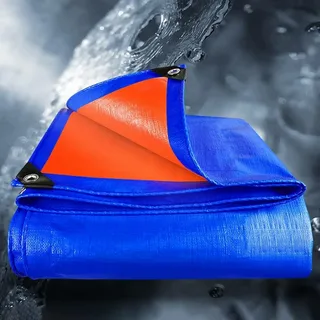
Benefits of Using High-Quality Tarpaulins
Investing in premium tarpaulin solutions offers numerous long-term advantages.
Improved Weather Protection
Protects against rain, dust, wind, and harsh sunlight.
Lower Maintenance Costs
Reduces expensive repairs caused by weather damage.
Extended Equipment Life
Protects machinery, vehicles, and outdoor furniture from corrosion and contamination.
Increased Workplace Safety
Minimises hazards caused by water intrusion, loose debris, and damaged equipment.
Better Project Continuity
Construction and industrial operations experience fewer weather-related interruptions.
Choosing a Reliable Tarpaulin Supplier in the UAE
Not all tarpaulin products offer the same level of performance. Selecting a trusted supplier ensures you receive durable materials designed specifically for the UAE’s demanding climate.
Look for suppliers that offer:
- Heavy-duty PVC tarpaulins
- UV-resistant materials
- Waterproof certification
- Custom-made tarp sizes
- Reinforced eyelets
- Industrial-grade quality
- Competitive pricing
- Professional installation advice
Working with an experienced supplier helps ensure your investment delivers long-lasting protection.
Final Thoughts
Preparing your UAE property for monsoon rains and dust storms is far more cost-effective than dealing with the aftermath of weather-related damage. A carefully selected and properly installed tarpaulin system provides reliable protection against heavy rainfall, strong winds, intense sunlight, and airborne dust, helping preserve buildings, equipment, and valuable assets.
By following this comprehensive tarpaulin checklist—from choosing UV-resistant, waterproof materials to securing covers correctly and performing regular inspections—you can significantly reduce maintenance costs, improve safety, and extend the lifespan of your property and equipment.
Whether you manage a residential villa, commercial facility, industrial warehouse, agricultural site, or active construction project, investing in high-quality tarpaulins is a smart, practical step towards year-round weather preparedness in the UAE. With the right planning and premium protective solutions, you can face every season with confidence, knowing your property is ready for whatever the elements bring.